Charting Bonus Lifecycles Through Regional Regulatory Shifts and Player Data Patterns
Taylor Zimmermann · Sep 6, 2026
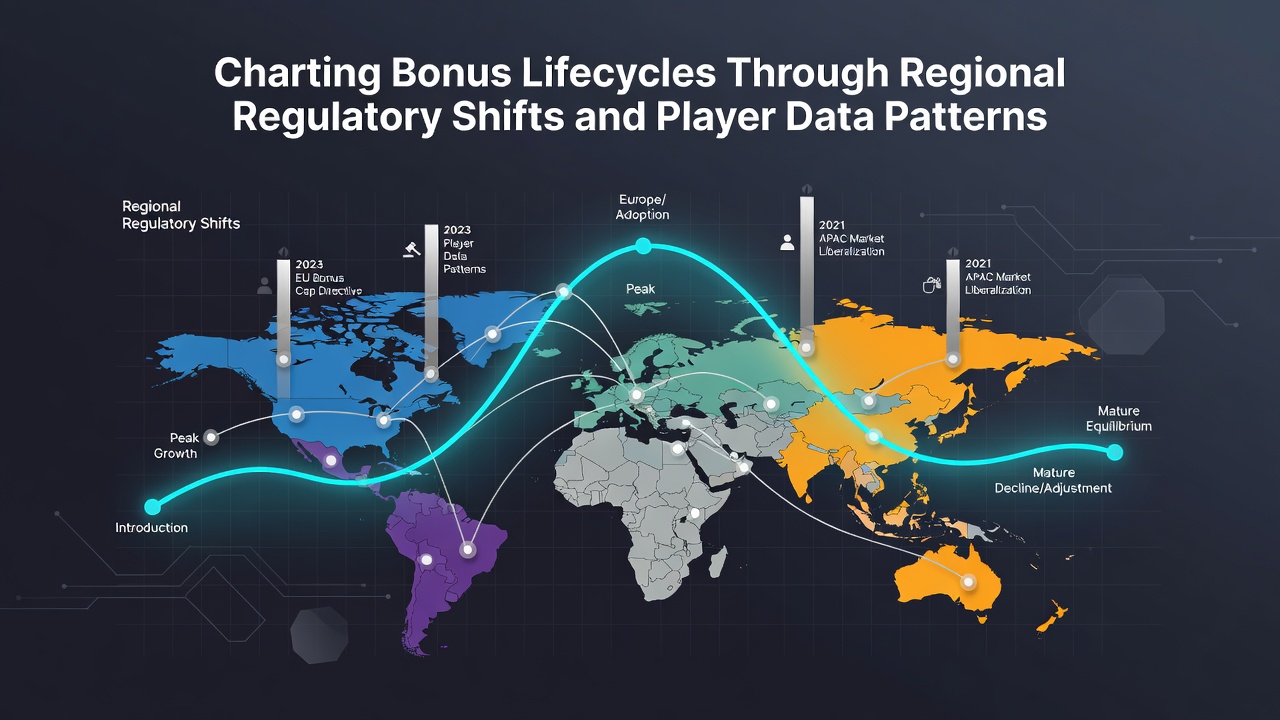
Charting Bonus Lifecycles Through Regional Regulatory Shifts and Player Data Patterns
Bonus structures in online gaming environments follow distinct lifecycles shaped by evolving regulations and observable player behavior metrics, with regional authorities adjusting frameworks at different intervals while data platforms track redemption rates, engagement duration, and churn indicators. Observers note that these cycles often begin with introductory offers, move through retention phases, and conclude with adjustments or phase-outs once compliance thresholds or usage patterns trigger reviews.
Regulatory Adjustments Across Key Jurisdictions
European markets have seen staggered updates, with the Netherlands introducing stricter bonus transparency rules in 2025 that required operators to disclose wager contribution percentages upfront, leading to shortened promotional windows in several cases. Meanwhile Australian regulators through the Australian Communications and Media Authority have emphasized harm minimization clauses that tie bonus availability to self-exclusion databases, resulting in lifecycle compression for repeat users who trigger automatic pauses. In Canada, iGaming Ontario has implemented data-sharing mandates that allow real-time monitoring of bonus uptake, prompting operators to recalibrate offer durations based on aggregated player risk scores rather than fixed calendar schedules.
North American state-level variations add further layers, as Pennsylvania's gaming control processes have linked bonus approvals to quarterly performance audits that examine player retention data, causing some promotions to extend or terminate earlier than initially planned when metrics deviate from projections. These shifts demonstrate how regulatory bodies integrate player data directly into approval cycles, creating feedback loops that alter traditional bonus timelines.
Player Data Patterns and Lifecycle Tracking
Analytics platforms reveal consistent sequences in how users interact with bonuses, starting with high initial activation rates that taper as wager requirements accumulate, while segmentation tools identify cohorts that complete full cycles versus those who abandon midway. Research from academic institutions such as the University of Nevada's gaming studies group has documented correlations between bonus size and session length, showing that larger introductory offers correlate with extended play periods before regulatory caps or internal limits intervene.
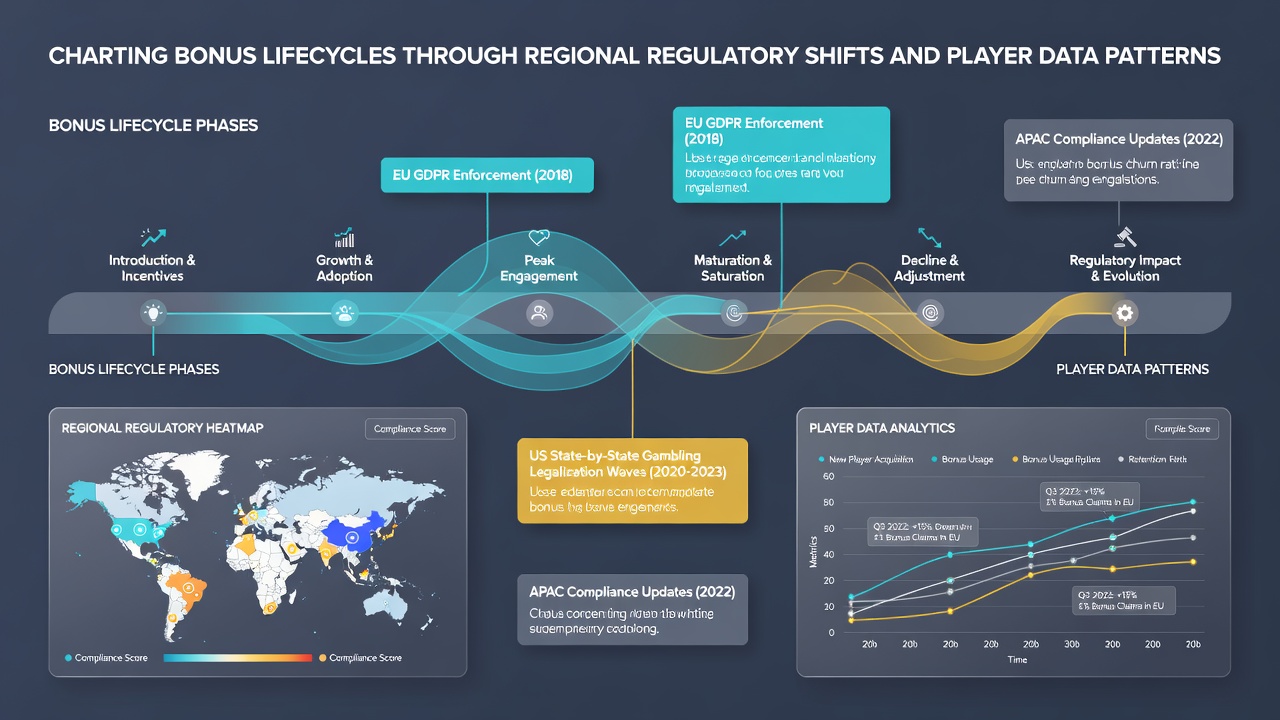
September 2026 reports from multiple operators indicate that European players exhibit faster progression through bonus stages compared with Australian counterparts, attributed partly to differing deposit frequency patterns and partly to local rules on maximum bonus values. Data aggregation services now map these trajectories against regulatory announcement dates, allowing precise charting of when offers enter decline phases due to compliance updates or observed saturation in specific player segments.
Interplay Between Shifts and Patterns
Regional regulatory changes frequently align with identifiable data thresholds, such as when redemption rates exceed benchmarks set by oversight bodies or when repeat usage clusters emerge in particular demographics. Operators respond by modifying bonus parameters mid-cycle, shortening validity periods or altering contribution weights, actions that data dashboards then reflect in updated player behavior forecasts. Industry reports from groups like the European Gaming and Betting Association highlight how these adjustments maintain alignment with both legal requirements and observed engagement metrics across borders.
Cross-regional comparisons further illustrate the dynamic, with Canadian provinces adopting predictive models drawn from European datasets while Australian frameworks incorporate elements from North American audit protocols, creating convergent lifecycle patterns even as local rules remain distinct. Those who monitor these developments through centralized data repositories observe that bonus offers rarely follow static paths once player metrics and regulatory signals intersect.
Conclusion
Bonus lifecycles continue to evolve through the combined influence of regional regulatory updates and detailed player data analysis, producing measurable variations in offer duration, redemption sequences, and termination triggers. As jurisdictions refine their approaches and analytics capabilities expand, the mapping of these cycles provides clearer visibility into how external requirements and internal usage patterns jointly determine promotional trajectories across global markets.