How Volatility Levels in Slot Games Dictate Bonus Claim Strategies During Peak Holiday Periods
Taylor Zimmermann · Sep 20, 2026
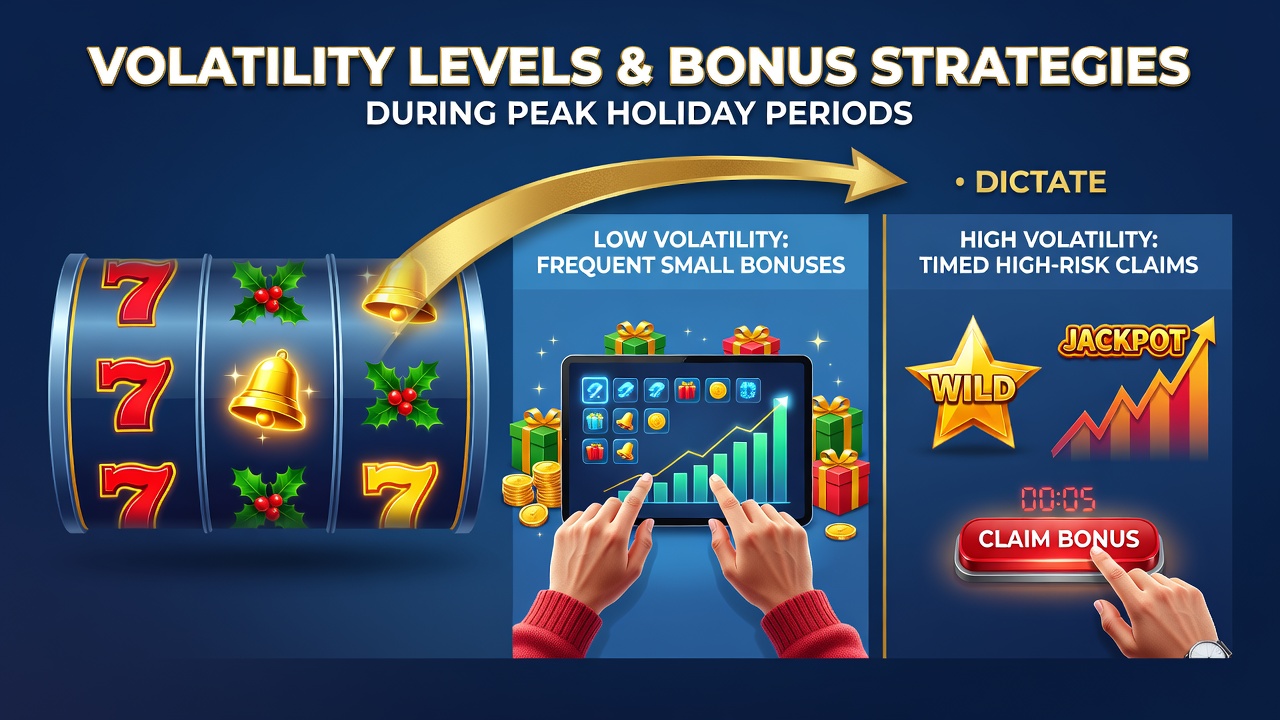
How Volatility Levels in Slot Games Dictate Bonus Claim Strategies During Peak Holiday Periods
Slot game volatility refers to the frequency and size of payouts that occur during regular play, and operators track these metrics through internal data systems to adjust promotional structures each year. Low-volatility titles deliver smaller wins at regular intervals while high-volatility options produce infrequent but larger returns, and these patterns influence how players allocate bonus funds when casinos increase promotional activity around major holidays.
Understanding Volatility Categories in Modern Slots
Game developers classify titles into three main volatility bands based on return-to-player simulations and payout distribution models, and regulatory filings in multiple jurisdictions document these classifications for compliance purposes. Low-volatility games typically feature hit rates above 30 percent with modest prize tiers, medium-volatility options sit between 20 and 30 percent, and high-volatility machines often fall below 20 percent yet offer top awards that exceed several thousand times the stake. Industry reports indicate that operators release updated volatility ratings during quarterly software updates, and these ratings appear in game information panels that players can access before placing wagers.
Holiday Period Bonus Expansion Patterns
Peak holiday windows, particularly the weeks surrounding Christmas and New Year, see operators increase the volume of deposit-match offers, free-spin packages, and cashback promotions by measurable margins according to aggregated platform analytics. Data from the Nevada Gaming Control Board shows elevated promotional spend during December across licensed properties, while parallel figures from the Victorian Commission for Gambling and Liquor Regulation in Australia record similar spikes in bonus issuance during the same calendar window. These expanded offers carry wagering requirements that range from 20x to 50x depending on the operator and jurisdiction, and the requirements interact directly with the underlying volatility of selected games.
Strategic Alignment Between Volatility and Wagering Requirements
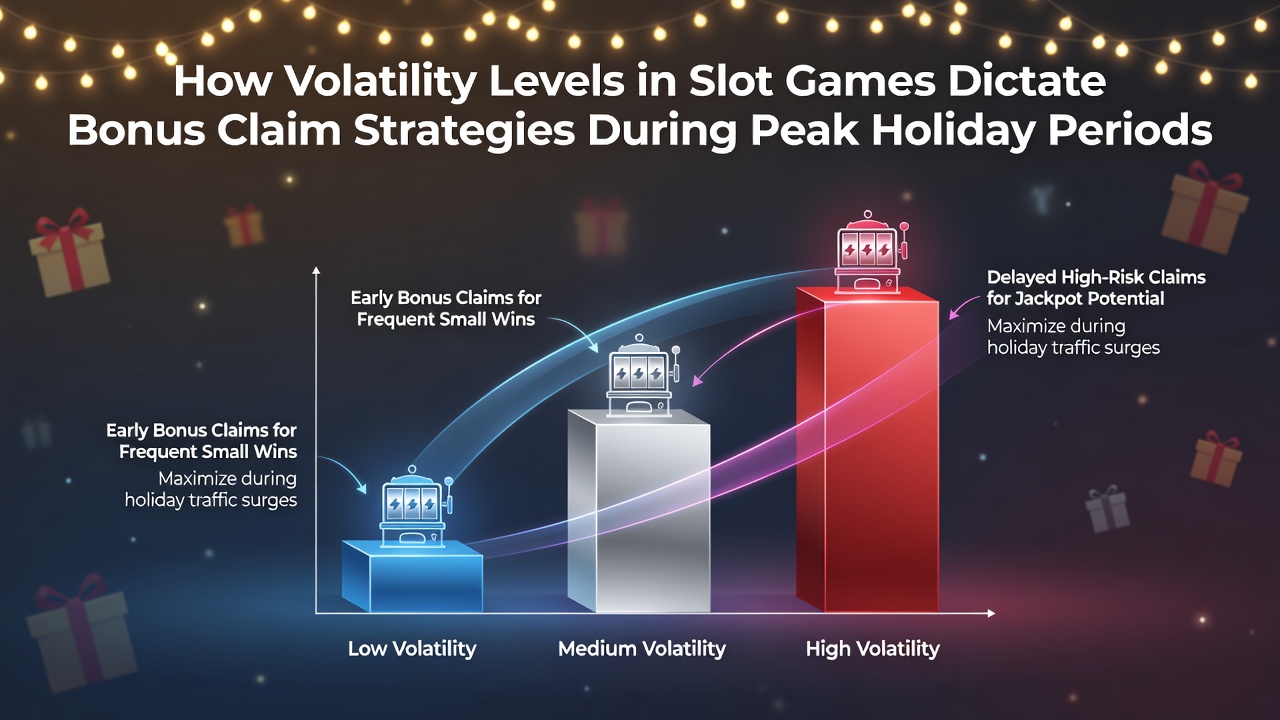
Players facing a 40x wagering requirement on a holiday deposit bonus encounter different completion timelines when they select low-volatility versus high-volatility slots. Low-volatility titles generate steady credit accumulation that supports incremental progress toward the target, whereas high-volatility selections produce extended sequences of non-paying spins that can exhaust bonus balances before the multiplier clears. Platform telemetry collected by multiple operators reveals that bonus completion rates rise when users match volatility levels to requirement size, and analysts note longer survival times for low-volatility choices during high-traffic holiday periods when server loads and concurrent promotions increase overall session lengths.
Regional Regulatory Influences on Holiday Promotions
European and North American regulators impose distinct disclosure rules for bonus terms, and these rules shape how volatility information reaches players before they claim offers. The Malta Gaming Authority requires clear display of wagering conditions alongside game lists, while several Canadian provincial frameworks mandate separate risk warnings for high-volatility titles included in promotional packages. Observers note that operators adjust bonus structures ahead of holiday campaigns to align with these regional standards, and the resulting variations create different strategic considerations for players operating across multiple licensed markets.
Timing and Claim Sequencing During High-Volume Periods
September marks the start of planning cycles for many operators preparing December campaigns, and internal calendars show bonus calendars locked in by late October to accommodate marketing lead times. Players who monitor these schedules often sequence their claims to coincide with specific game releases or volatility-adjusted promotions that appear mid-campaign. Data indicates that low-volatility selections paired with time-limited free-spin bundles clear requirements faster during the first week of a holiday event, while high-volatility choices benefit from staggered claims that allow bankroll replenishment between sessions.
Impact of Player Volume on Game Availability
Increased concurrent users during holiday peaks can affect game loading times and jackpot accumulation rates, and volatility models embedded in progressive systems reflect these traffic surges through adjusted seed values. Operators publish real-time jackpot meters that rise more rapidly when player counts climb, and high-volatility progressives become statistically more attractive under these conditions. Yet the same elevated traffic extends average session duration, which in turn raises the total number of spins required to meet fixed wagering targets attached to holiday bonuses.
Conclusion
Volatility levels function as a measurable variable that operators and regulatory bodies both document, and the interaction between these levels and holiday bonus terms produces observable differences in wagering completion patterns. Platform data, regional filings, and compliance disclosures together illustrate how low-, medium-, and high-volatility selections align with distinct promotional structures, while timing considerations tied to campaign calendars further refine the sequences players follow when activating offers. These documented relationships continue to shape promotional design each holiday cycle across licensed markets.